
How to clean and care for your jewelry
To clean a moissanite or lab-grown diamond ring, soak it for a few minutes in warm water with a few drops of mild dish soap, scrub under the stone with a soft toothbrush, rinse, and dry with a lint-free cloth. That method is safe for every stone and metal we sell. Skip ultrasonic and steam cleaners for lab-created emerald, and to be safe for lab-created sapphire and ruby too, and take your jewelry off before pools, hot tubs and cleaning products.
- Warm water, mild soap, soft brush: safe for all our stones.
- Lab-created emerald: never ultrasonic or steam (GIA).
- Chlorine can damage gold and silver alloys.
- Silver tarnishes faster in humid air.
- Have a local jeweler check prongs once a year.
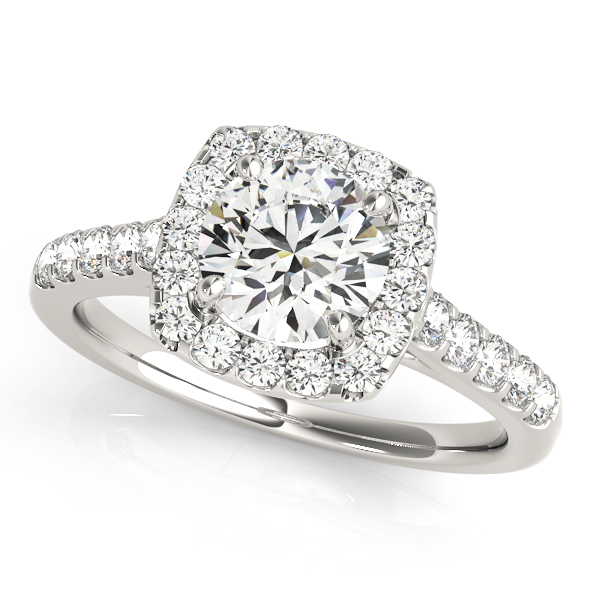
The 5-minute clean that works for everything
- Fill a small bowl with warm (not hot) water and add a few drops of mild dish soap.
- Soak the piece for 5 to 10 minutes. Longer for a ring that has not been cleaned in months.
- Brush gently with a soft toothbrush you keep only for jewelry. Get under the stone and between the prongs, where lotion and skin oil collect. That film is what makes a stone look cloudy.
- Rinse under running water with the sink plug in.
- Dry with a lint-free cloth.
Never use toothpaste, baking soda or household cleansers. They are abrasive and scratch metal. GIA also says never use chlorine bleach on diamond jewelry. For a ring worn every day, a clean every week or two keeps it bright.
Cleaning rules for each stone
The setting around a stone is what usually fails, so the gentle methods below protect it.
| Stone | Soap and water | Ultrasonic cleaner | Steam |
|---|---|---|---|
| Moissanite | Yes | The stone can take it; watch small side stones | Leave to a jeweler |
| Lab-grown diamond | Yes | Usually safe for the stone; can shake loose or chip stones set side by side (GIA) | Leave to a jeweler; can also loosen stones (GIA) |
| Lab-created sapphire | Yes | The stone can take it; skip at home to spare the setting | Same rule |
| Lab-created ruby | Yes | The stone can take it; skip at home to spare the setting | Same rule |
| Lab-created emerald | Yes, gently | No | No |
Moissanite
Moissanite is made to last a lifetime of everyday wear. The stone can be cleaned like a diamond, ultrasonic included. The risk with an ultrasonic machine is the setting, not the stone, so soap and water is all you need.
Lab-grown diamond
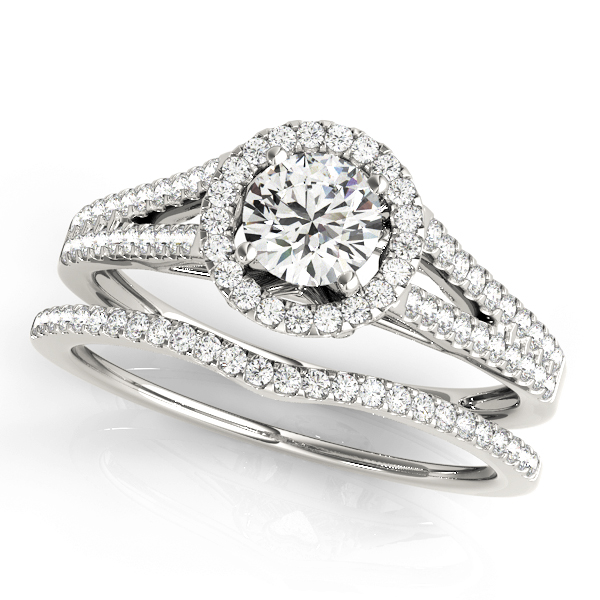
A lab-grown diamond has essentially the same chemical, physical and optical properties as a mined one (GIA), so clean it the same way. The risk with ultrasonic machines is the metal, not the diamond: GIA warns the vibration can loosen stones, especially in pavé and halo settings like the one below.
Lab-created sapphire and ruby
Both are corundum (GIA). Ours are lab-created, grown rather than mined. The setting is the weak point, so at home stick to warm soapy water.
Lab-created emerald
Emerald is the one to baby, lab-created included. It is more brittle than sapphire or diamond, and GIA advises against ultrasonic and steam cleaners for emerald. Warm soapy water and a light touch only. Take an emerald ring off for sports, gym work and moving boxes: it can chip if knocked hard.
Cleaning rules for each metal
| Metal | Tarnishes? | Clean with | Regular upkeep |
|---|---|---|---|
| 925 sterling silver | Yes | Soap and water, then a silver polishing cloth | Polish when it darkens; store sealed and dry |
| 14K yellow gold | No | Soap and water | None beyond cleaning |
| 14K rose gold | No, but can form a light patina | Soap and water | An occasional polish (GIA) |
| 14K white gold | No | Soap and water, soft brush only | Rhodium re-plating about every 12 to 18 months on a ring |
How to clean white gold without wearing off the plating
White gold gets its bright white color from a thin rhodium coat. Soap and water will not harm it. Abrasive cleaners, polishing pastes and hard brushes wear it thinner. When the ring starts to look a little yellow, that is the plating thinning. We can arrange a re-plating for you, quoted first, at what it costs us plus shipping both ways, or any local jeweler can re-plate it. Jewelers commonly suggest every 12 to 18 months for a daily ring and 2 to 3 years for earrings and necklaces. Our gold vs silver guide explains why.
Does sterling silver tarnish? Yes. Here is how to slow it
Tarnish is silver sulfide, a thin dark layer that forms when silver meets sulfur gases in the air. Common sources at home are rubber bands, wool and eggs. It forms faster when the air is humid. The Canadian Conservation Institute, which cares for museum silver, gives the rules that matter:
- Store silver in a sealed plastic bag or lined box, away from rubber and wool.
- Keep it dry. Below 50% relative humidity slows tarnish a lot, so a bathroom counter is the worst spot.
- Polish only when needed. Every polish removes a little silver, so do not polish daily.
A silver polishing cloth is the gentlest fix for light tarnish. Skip liquid silver dips on pieces set with emerald: the cloth does the job without soaking a brittle stone.
Chlorine, pools and everyday chemicals
Take your jewelry off before you swim, get in a hot tub or clean the house. Chlorine and salt water can damage gold and silver alloys, and GIA says never to clean diamond jewelry with chlorine bleach. Also put rings on after lotion, sunscreen and perfume, not before. Those leave a film that dulls a stone fast.
How to store jewelry
- Give each piece its own pouch or box slot. Moissanite and diamond are hard enough to scratch gold, silver and softer stones.
- Close the clasp on tennis bracelets and necklaces and lay them flat so they do not tangle.
- Keep silver sealed and dry. Gold can live in any clean, lined box.
- When traveling, use a small padded case, not a loose pocket.
Check your prongs yourself, and when to see a jeweler
A stone rarely falls out without warning. A prong usually bends or wears first. Once a month, take 30 seconds:
- Look. Use your phone camera zoomed in. Each prong should sit tight over the stone's edge, none flattened or lifted.
- Listen. Hold the ring near your ear and tap it lightly. A rattle or click means a loose stone.
- Snag test. Run a thin cloth or pair of tights over the stone. A catch means a prong is lifted.
- Wiggle. Press the stone gently with a fingernail. It should not move at all.
If anything fails, stop wearing the piece until it is fixed. If you find a defect within 30 days of delivery, we replace the piece or refund it. After 30 days, we can still arrange a repair or a re-plating for you. We quote the cost first, you pay what it costs us, plus shipping both ways. Any local jeweler can also fix it, often sooner, and can check the prongs once a year. We do not resize.
Questions people ask
Can you put moissanite in an ultrasonic cleaner?
The stone itself handles it. The risk is the setting: vibration can loosen small stones in pavé and halo rings. Warm soapy water and a soft brush clean just as well at home.
Why does my moissanite ring look cloudy?
Almost always a film of skin oil, lotion or soap on the back of the stone. Soak it in warm soapy water and brush under the stone. Moissanite does not turn cloudy on its own.
Does sterling silver tarnish?
Yes. Silver reacts with sulfur gases in the air and forms a dark layer, faster in humid air. Store it sealed and dry and wipe it with a polishing cloth when it darkens.
How do I clean a white gold ring?
Warm water, mild dish soap and a soft toothbrush, then rinse and dry. Skip abrasive cleaners and pastes, which wear the rhodium plating. Re-plating at a jeweler every 12 to 18 months keeps it bright white.
Can I swim with my ring on?
Take it off. Chlorine and salt water can damage gold and silver alloys, and cold water shrinks fingers, so a ring can slip off in a pool or the ocean.
What if a stone comes loose in the first month?
A defect found within 30 days gets a replacement or a refund. After that, we can still arrange the repair: we quote the cost first, and you pay what it costs us, plus shipping both ways. Or any local jeweler can tighten prongs or reset a stone, often sooner.
Sources
- GIA: Emerald Care and Cleaning Guide, checked 2026-09-28.
- GIA: Sapphire Care and Cleaning Guide, checked 2026-09-28.
- GIA: Ruby Care and Cleaning Guide, checked 2026-09-28.
- GIA 4Cs: Ultrasonic Cleaners for Gems, What You Need to Know, checked 2026-09-28.
- GIA 4Cs: How to Clean Your Diamond Jewelry, checked 2026-09-28.
- GIA 4Cs: Lab-Grown Diamond Jewelry, What are Synthetic Diamonds?, checked 2026-09-28.
- GIA 4Cs: Best Ring Material for Everyday Wear, checked 2026-09-28.
- Canadian Conservation Institute: Understanding how silver objects tarnish, checked 2026-09-28.